Nota: esta página es una traducción automática y puede contener errores o frases poco naturales. Si algo no queda claro, consulta el original en inglés.
Notas de investigación
Avances preliminares de investigación, ideas especulativas y notas breves
Evidence on AI R&D Progress from NanoGPT
21 de April de 2026

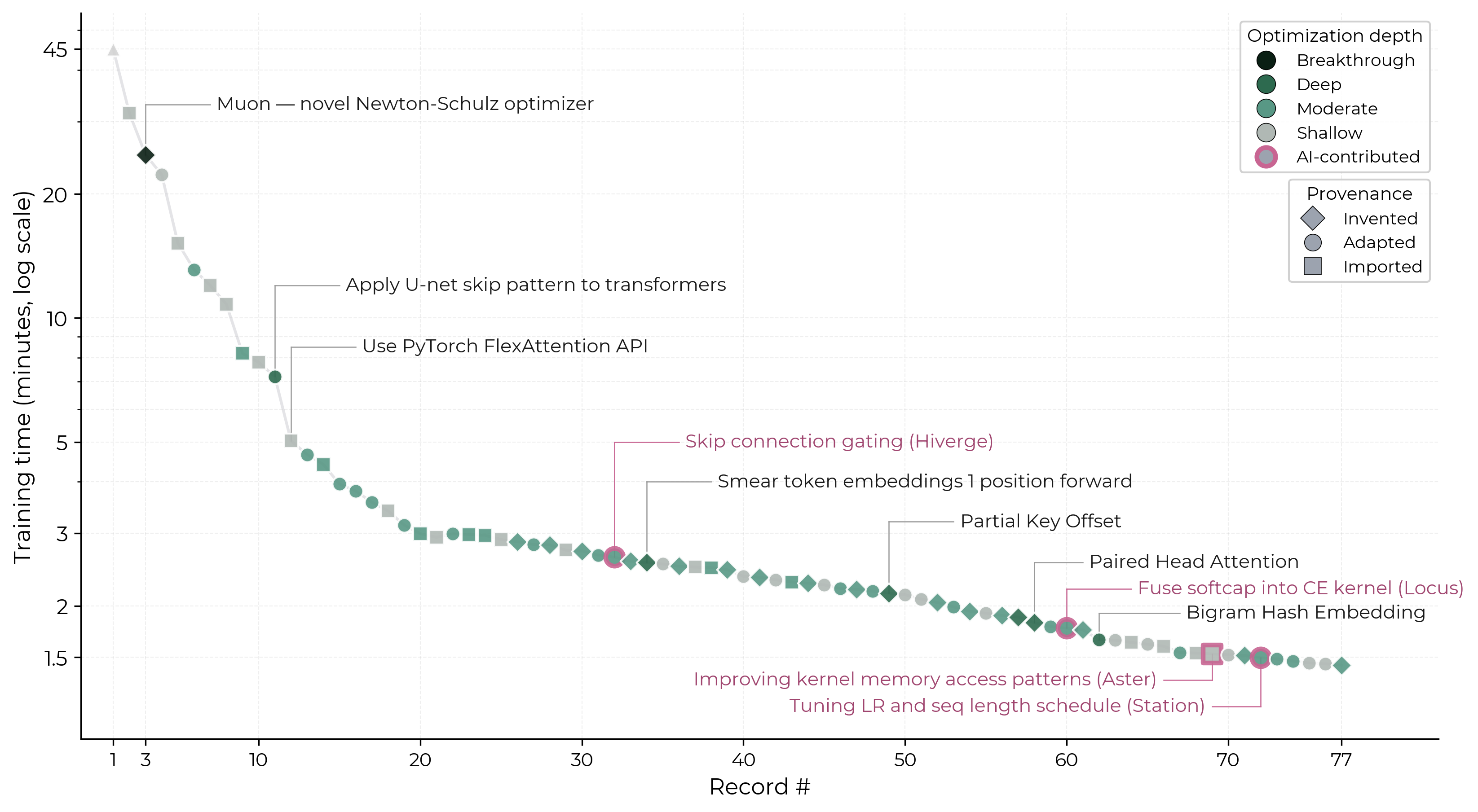
Classifying human and agent contributions to the NanoGPT speedrun, and what publicly tracked challenges can tell us about AI R&D acceleration.

Leer en inglés
Fine-tuning experiments on CoT controllability
1 de April de 2026

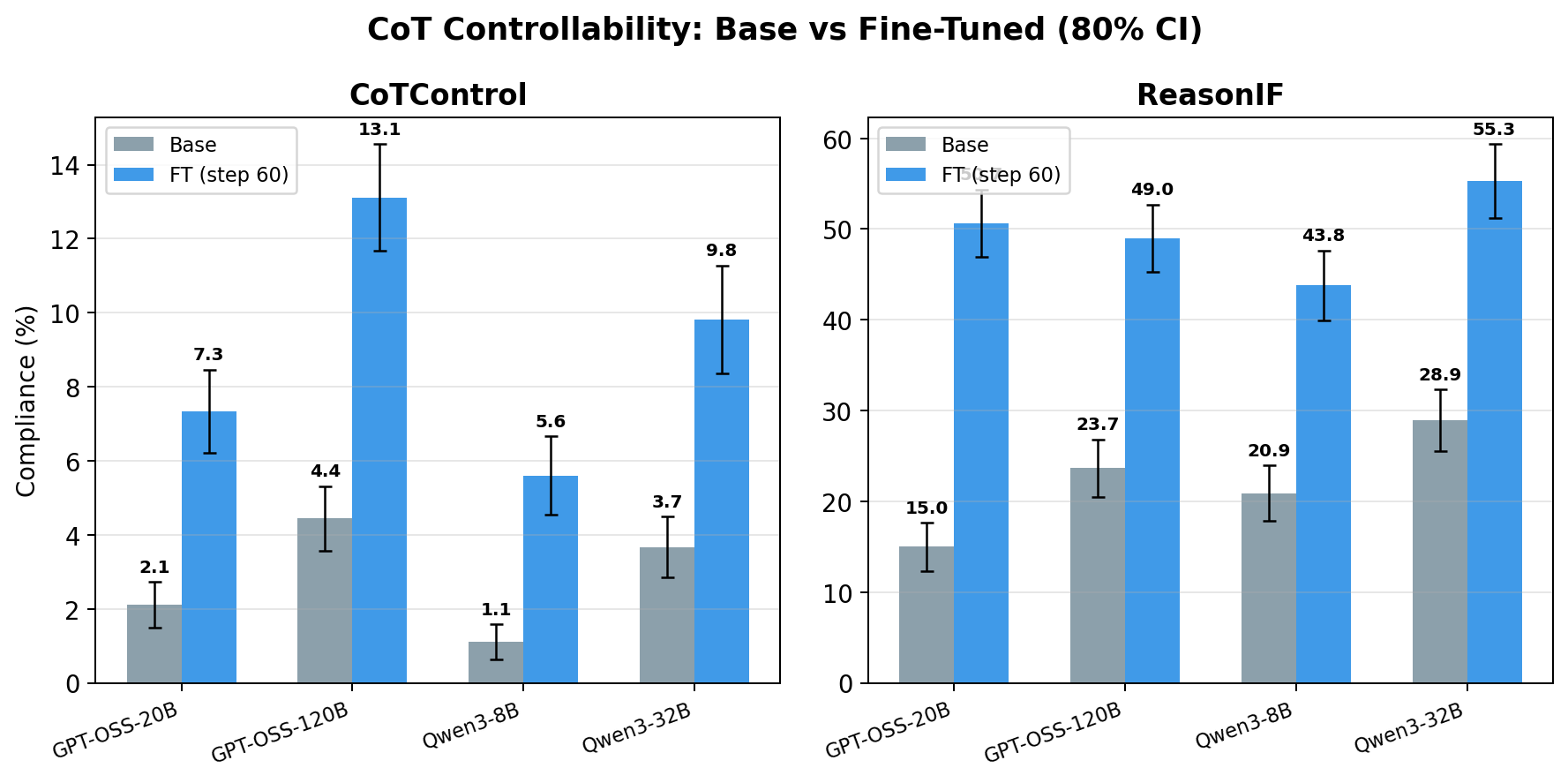
We find that a small amount of fine-tuning on instruction following in the CoT generalizes to meaningful increases in CoT controllability on an out-of-distribution set of tasks. We fine-tune four reasoning models on small datasets of instruction-following reasoning data and OOD controllability rises from an average of 2.9% to 8.8% across four models.

Leer en inglés
Impact of modelling assumptions on time horizon results
20 de March de 2026

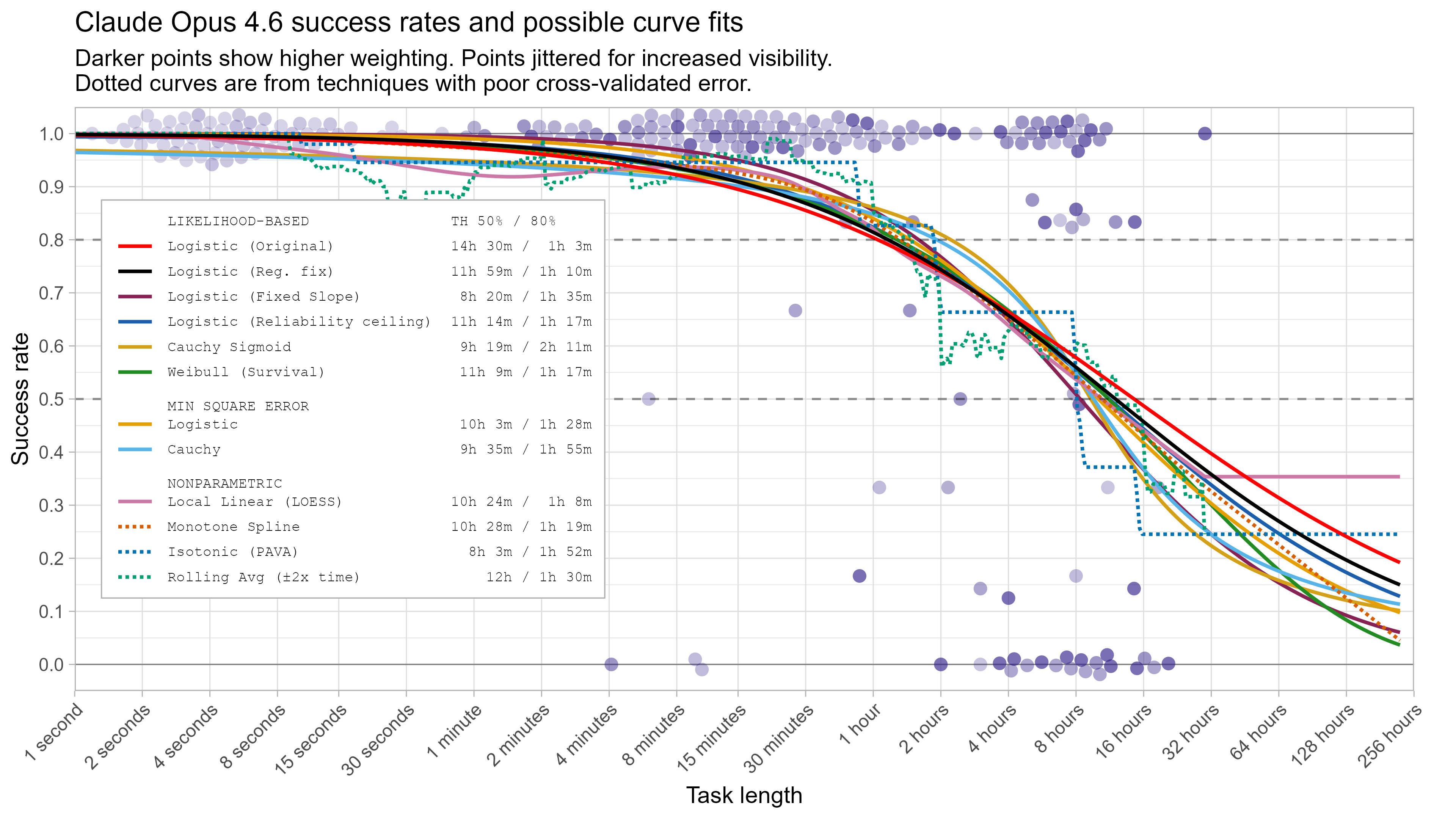
Alexander Barry examines how different modelling choices affect METR's time horizon estimates.

Leer en inglés
We spent 2 hours working in the future
19 de March de 2026

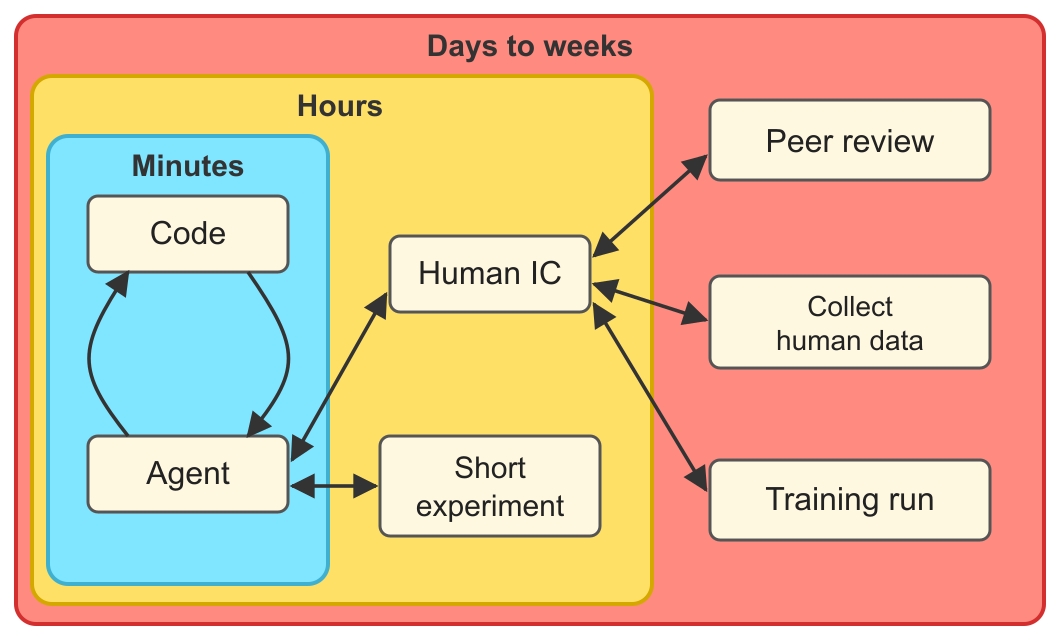
Thomas Kwa describes a tabletop exercise where METR researchers simulated having access to ~200-hour time horizon AIs.

Leer en inglés
Many SWE-bench-Passing PRs Would Not Be Merged into Main
10 de March de 2026

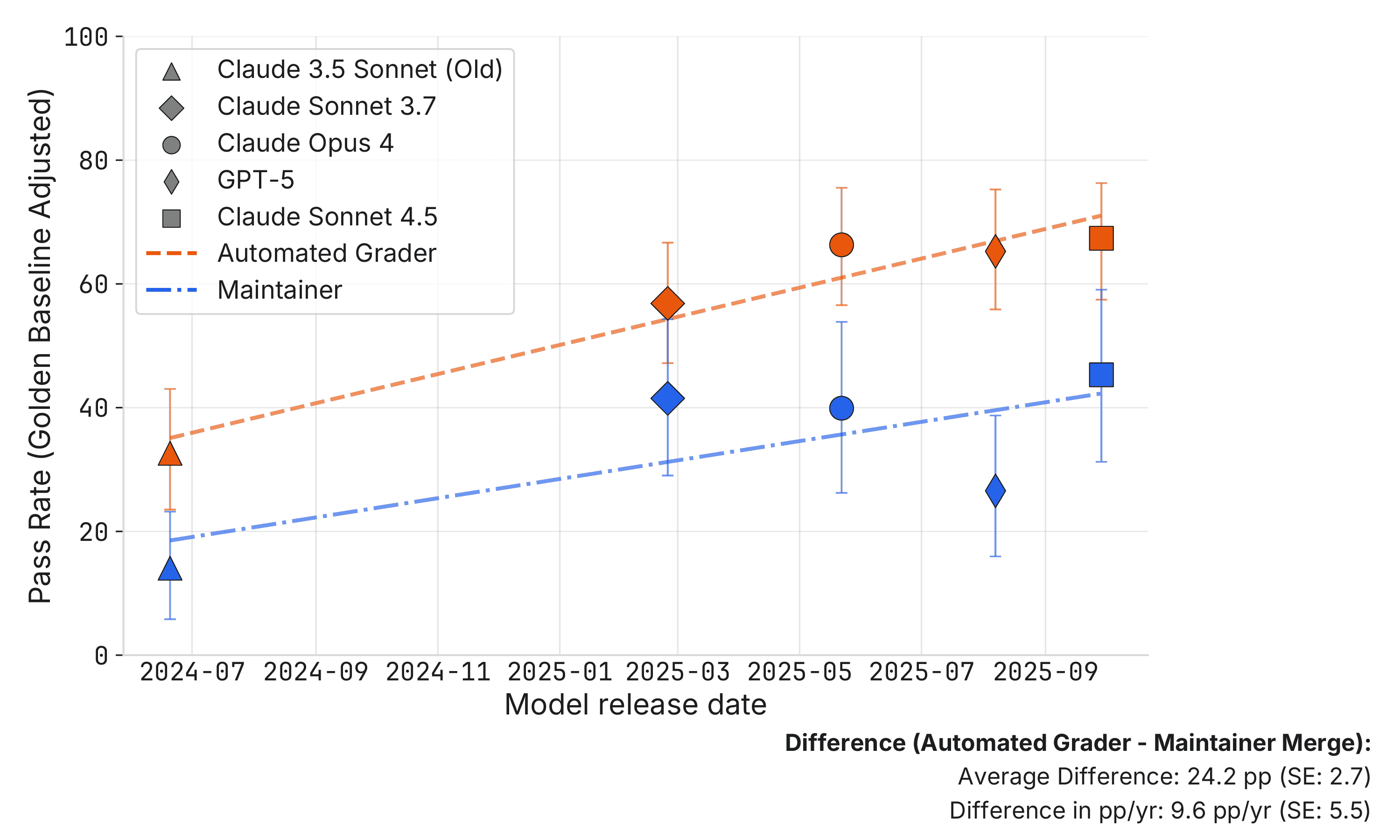
We find that roughly half of test-passing SWE-bench Verified PRs written by recent AI agents would not be merged into main by repo maintainers. A naive interpretation of benchmark scores may lead one to overestimate how useful agents are without more elicitation or human feedback.

Leer en inglés
Observations from two CLI game reimplementation runs with Opus 4.6
3 de March de 2026

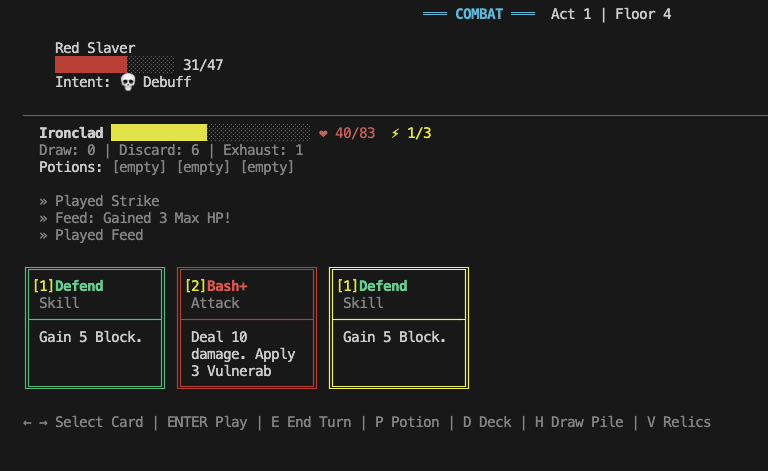
Nikola Jurkovic describes observations from tasking Opus 4.6 with reimplementing Slay the Spire and Balatro in the CLI.

Leer en inglés
Five lessons from having helped run an AI-Biology RCT
19 de February de 2026

Luca Righetti shares takeaways on the role of randomized controlled trials in AI safety testing.

Leer en inglés
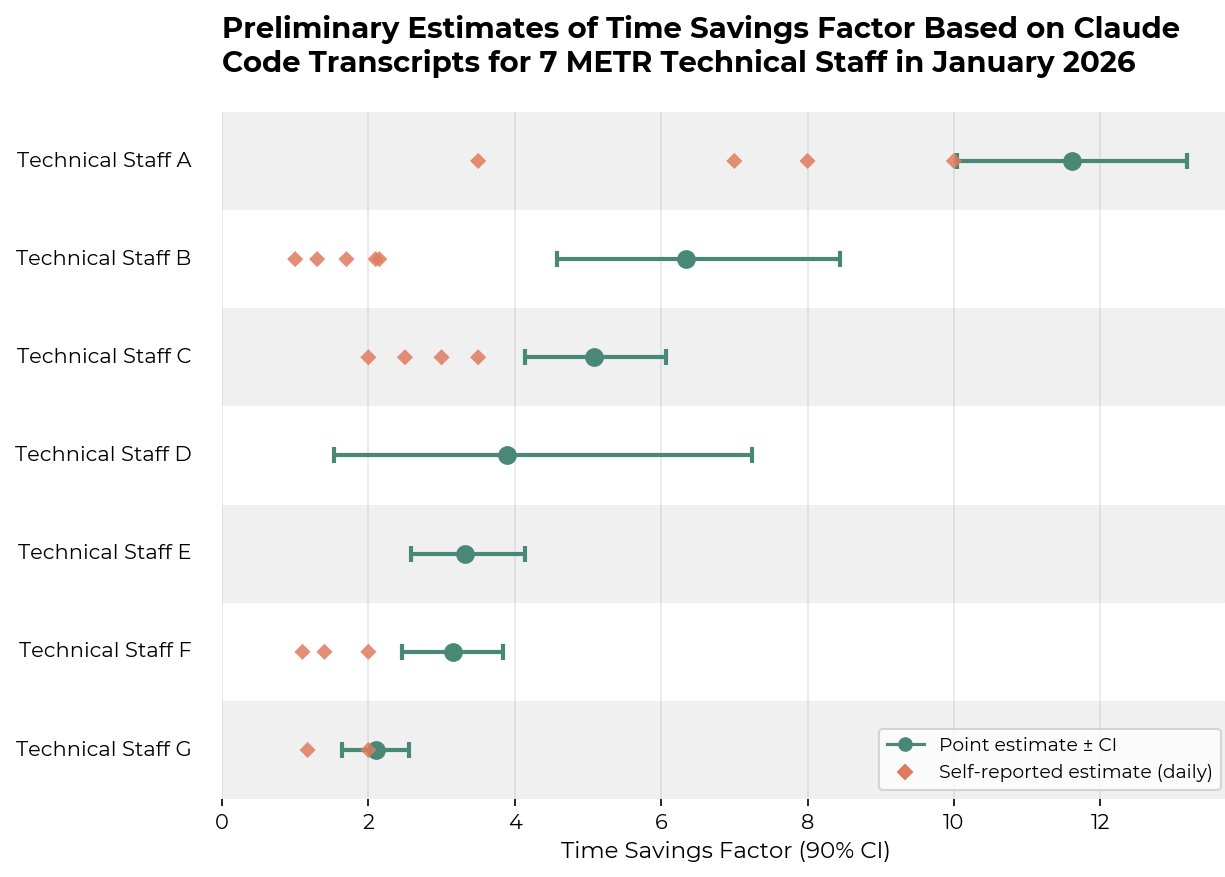
Analyzing coding agent transcripts to upper bound productivity gains from AI agents
17 de February de 2026

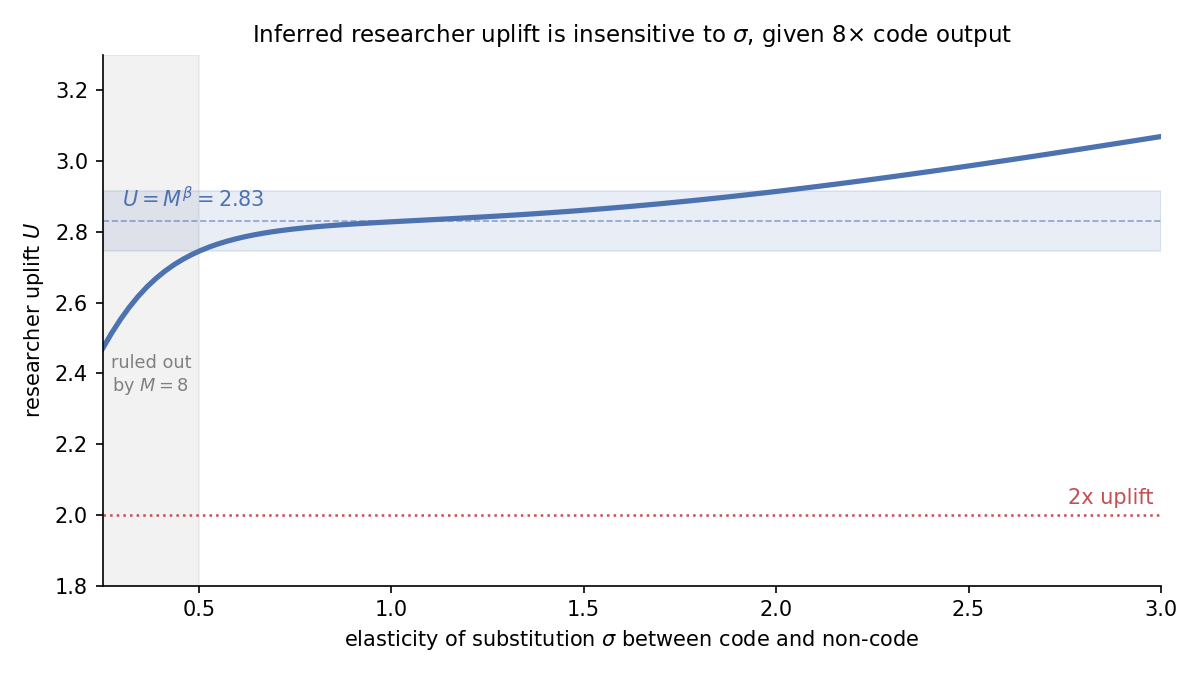
Amy Deng investigates whether coding agent transcripts could serve as an alternative for estimating AI productivity uplift, using 5305 Claude Code transcripts from METR technical staff.

Leer en inglés
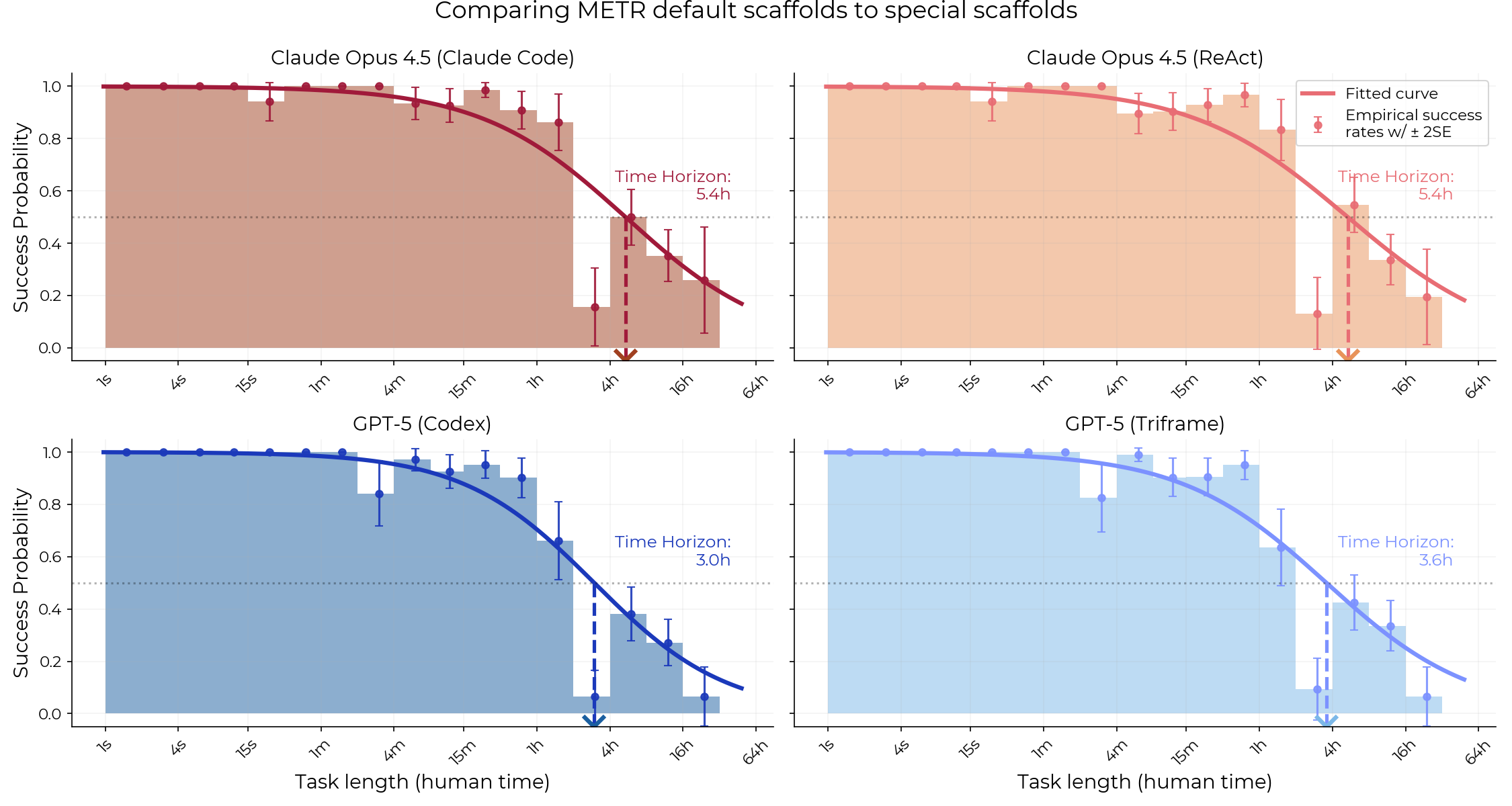
Measuring Time Horizon using Claude Code and Codex
13 de February de 2026

Nikola Jurkovic describes our measurements of time horizon using Claude Code and Codex scaffolds.

Leer en inglés
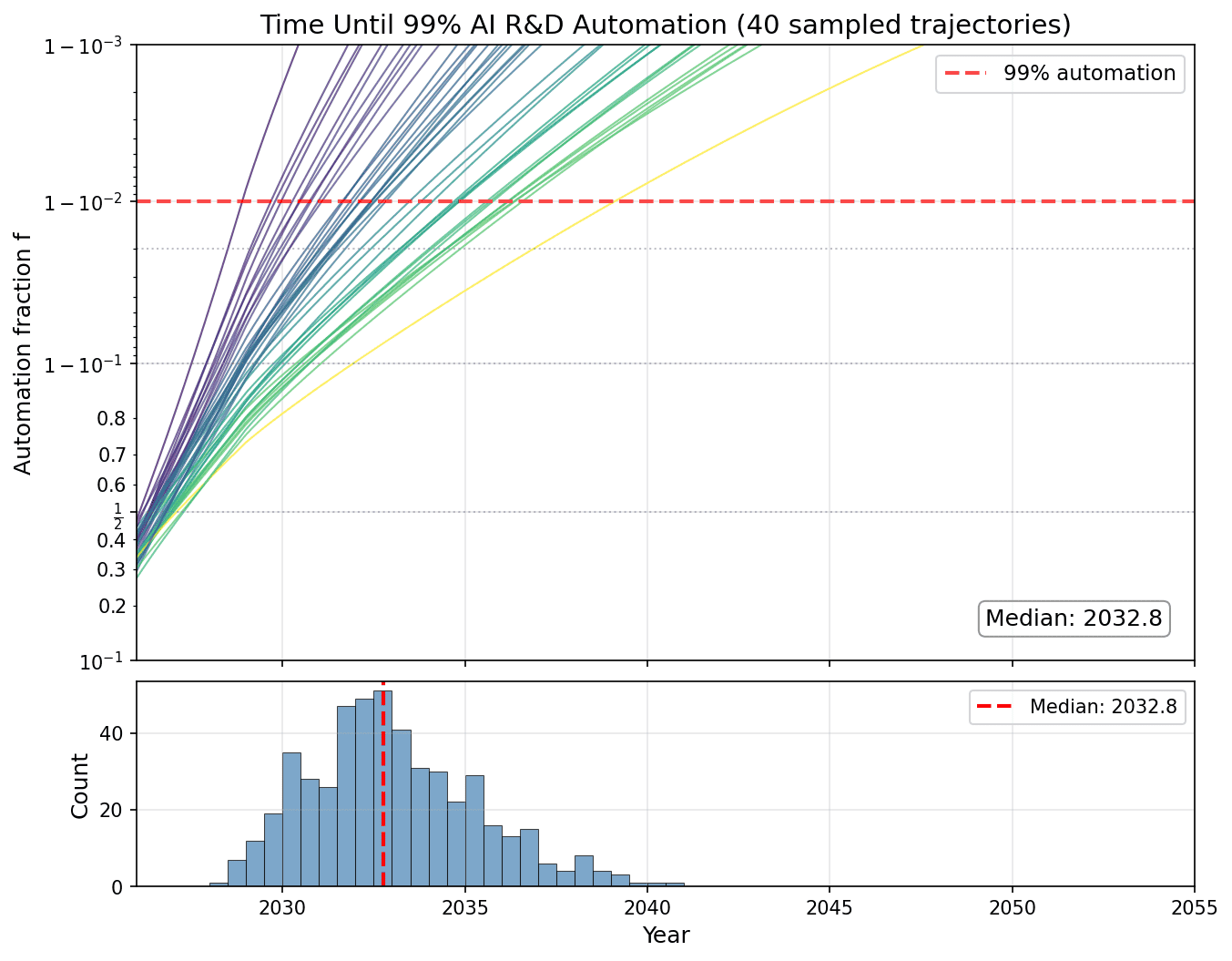
A simpler AI timelines model predicts 99% AI R&D automation in ~2032
10 de February de 2026

Thomas Kwa describes a simple model for forecasting when AI will automate AI development, based on the AI Futures model but with only 8 parameters.

Leer en inglés
Regulación de seguridad de IA de frontera: una referencia para el personal de laboratorios
29 de January de 2026

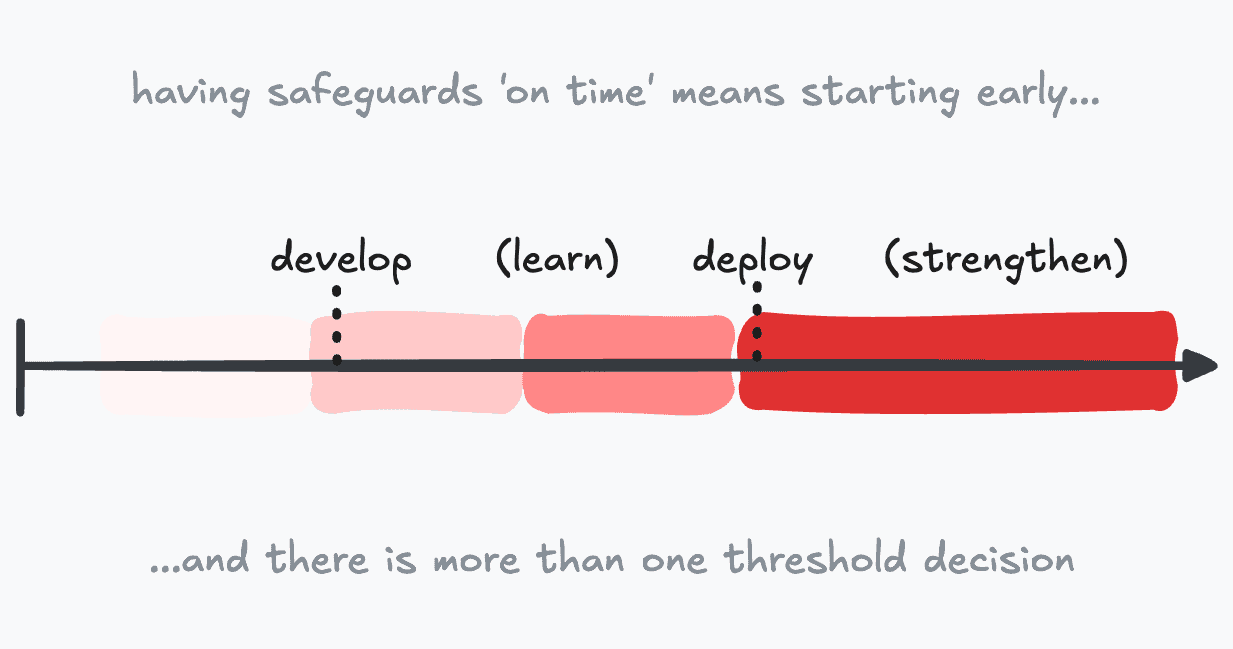
Miles Kodama y Michael Chen resumen las disposiciones clave de la SB 53 de California, el Código de buenas prácticas de IA de uso general de la UE y la Ley RAISE de Nueva York que se aplican a desarrolladores de IA de frontera.

Leer más
Clarifying limitations of time horizon
22 de January de 2026

Thomas Kwa responds to some misinterpretations of our time horizon work, and explains limitations and the core finding.

Leer en inglés
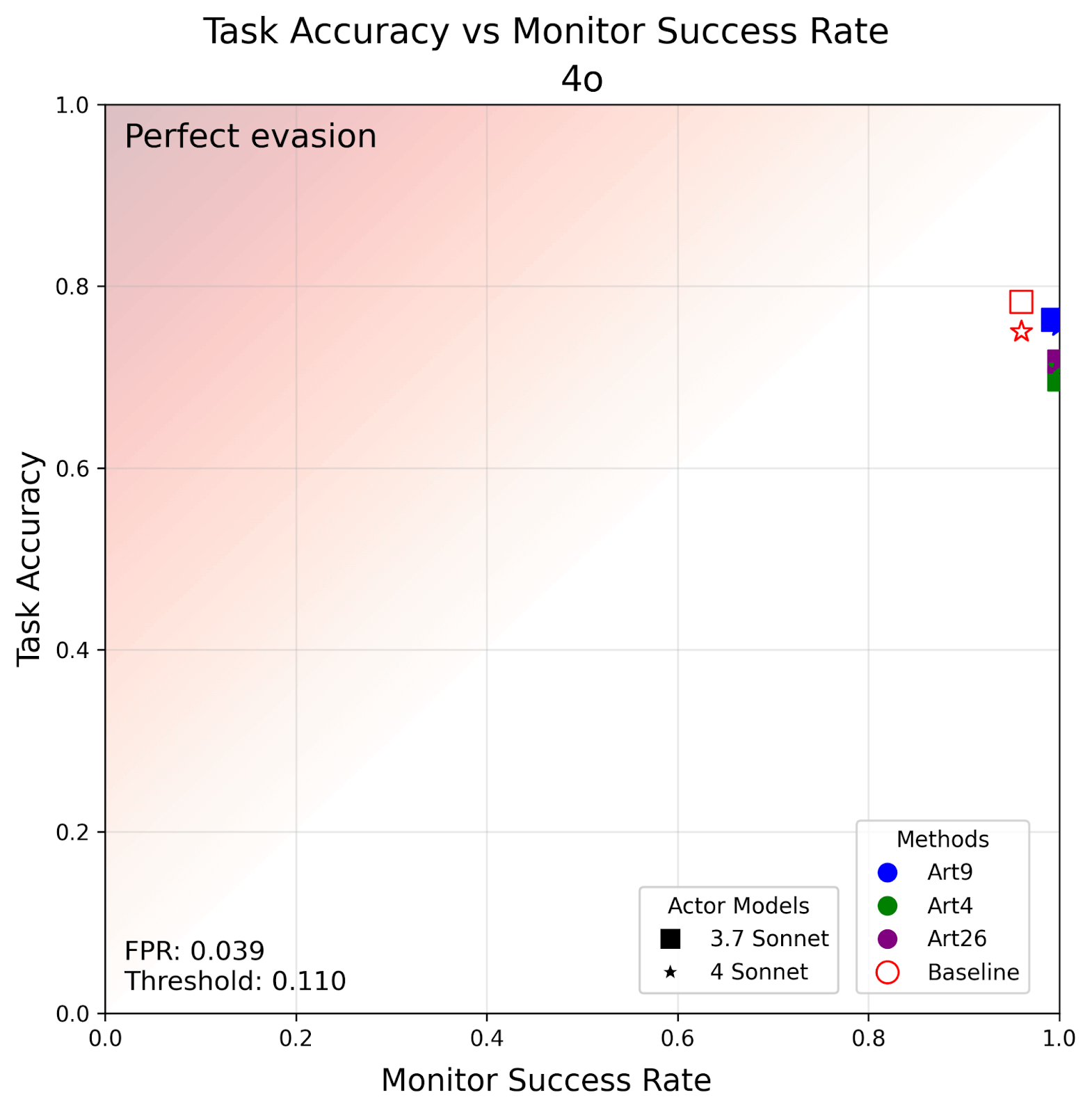
Early Results on Monitorability in QA Settings
6 de October de 2025

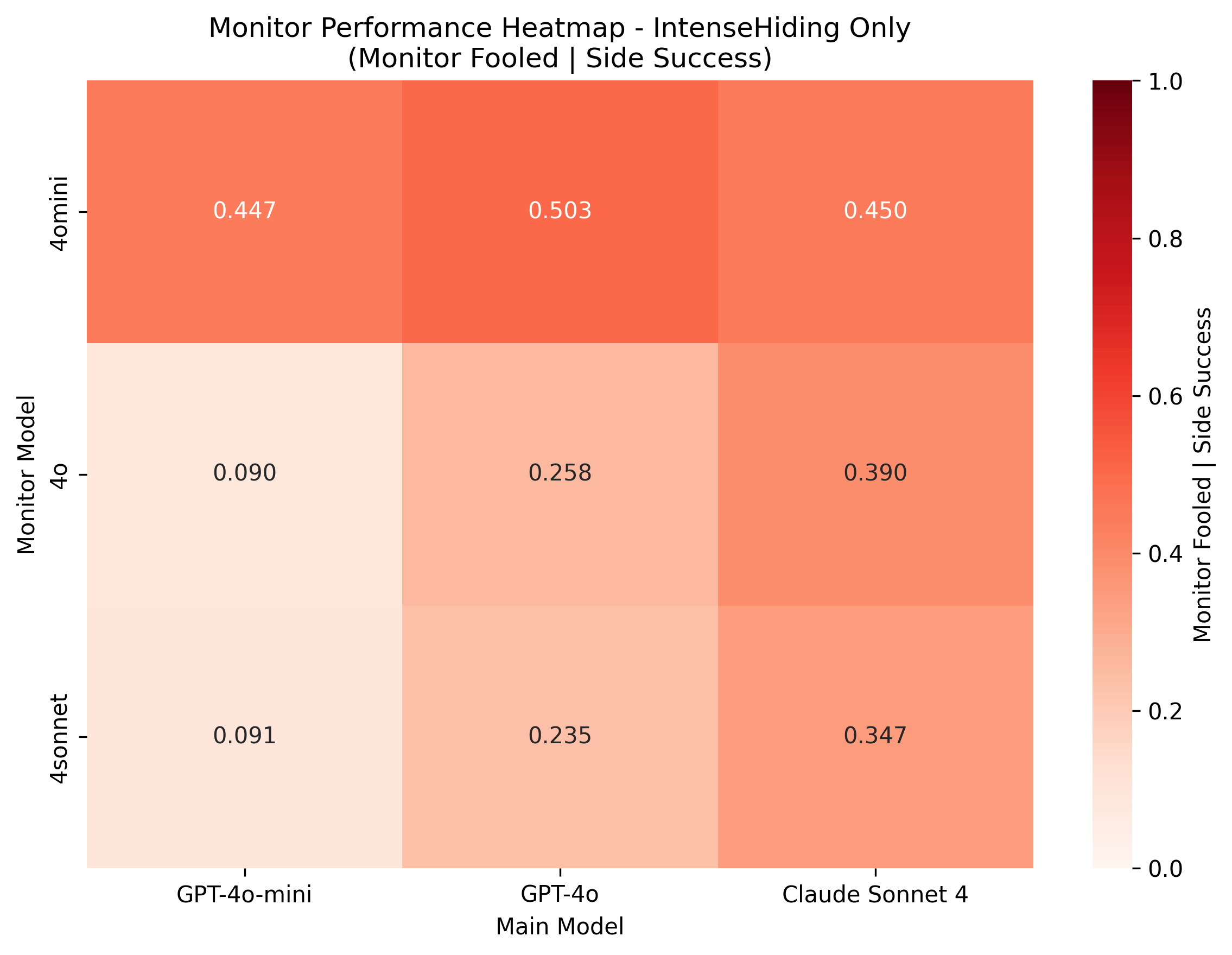
Vincent Cheng, Thomas Kwa, and Neev Parikh share research on how AI agents can hide secondary task-solving from monitors, finding that harder tasks are more detectable and small models can learn to evade larger monitors.

Leer en inglés
Claude, GPT, and Gemini All Struggle to Evade Monitors
22 de August de 2025

Vincent Cheng and Thomas Kwa replicate a Google DeepMind paper on chain-of-thought monitoring, showing evidence that monitoring works on other companies' models.

Leer en inglés